What Is the 267 Phone Prefix?
The 267 phone prefix is an area code serving southeastern Pennsylvania, including the city of Philadelphia and its surrounding suburbs. If you’ve received a call from a number starting with 267, it originated from this region. The 267 phone prefix was introduced as an overlay to the original 215 area code when the demand for new phone numbers outgrew the available supply.
Unlike traditional area codes that cover a distinct geographic region, the 267 phone prefix shares its entire service area with area codes 215 and 445. All three codes cover exactly the same territory. This overlay system means that two neighbors on the same street can have different area codes, and ten-digit dialing is required for all local calls.
Understanding the 267 phone prefix is useful whether you’re trying to identify an unknown caller, considering a move to the Philadelphia area, or setting up a business phone number with a local presence. This guide covers everything from the cities and counties included to the history behind the overlay and practical dialing tips.
Where Is the 267 Phone Prefix Located?
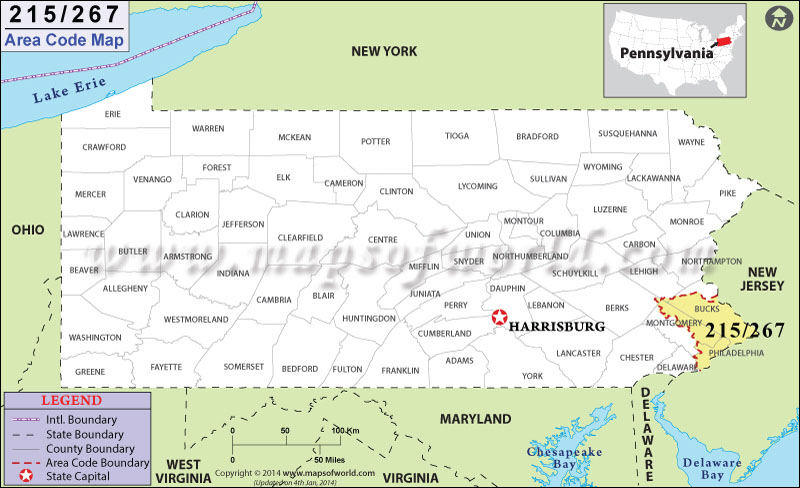
The 267 phone prefix covers the same area as Philadelphia’s original 215 area code. This includes the city of Philadelphia itself plus parts of the surrounding counties in southeastern Pennsylvania.
Major Cities in the 267 Area
Philadelphia is by far the largest city using the 267 phone prefix. As Pennsylvania’s biggest city and one of the oldest in the United States, Philadelphia generates enormous demand for phone numbers across residential, business, and mobile lines.
Beyond Philadelphia, the 267 phone prefix serves numerous suburban communities. These include Bensalem, Bristol, and Levittown in Bucks County. In Montgomery County, towns like Norristown, Ardmore, and King of Prussia fall within the coverage area. Delaware County communities including Upper Darby, Chester, and Media are also included.
The coverage extends to parts of Berks County and Lehigh County as well, though the core of the 267 phone prefix region remains the Philadelphia metropolitan area. If you’re in southeastern Pennsylvania and encounter a 267 number, it’s a local call.
Counties Covered
The 267 phone prefix spans portions of several Pennsylvania counties. Philadelphia County is entirely within the coverage zone. Significant portions of Bucks County, Montgomery County, and Delaware County are included. Smaller sections of Berks County and Chester County also fall under the 267 overlay.
This multi-county coverage reflects the growth of the Philadelphia suburbs over the decades. As the metropolitan area expanded outward, the demand for phone numbers grew with it, eventually requiring the 267 phone prefix overlay to supplement the original 215.
The History Behind the 267 Phone Prefix
The story of the 267 phone prefix begins with area code 215, one of the original 86 area codes established in 1947. For decades, 215 served all of southeastern Pennsylvania comfortably. But the explosion of fax machines in the 1980s, followed by pagers, mobile phones, and internet dial-up connections in the 1990s, consumed numbers at an unprecedented rate.
By the late 1990s, area code 215 was running out of available numbers. The traditional solution would have been a geographic split, dividing the region and assigning a new code to one half. But splits are disruptive. Half the population would need to change their phone numbers, update business cards, and notify contacts.
Instead, regulators chose an overlay. The 267 phone prefix was activated on July 1, 1999, covering the exact same area as 215. New phone numbers issued after that date could receive either 215 or 267, depending on availability. Existing 215 numbers stayed the same, which avoided the massive disruption of a split.
The overlay approach worked so well that a third code, 445, was added as an additional overlay in 2018 when the combined 215 and 267 phone prefix numbers began running low again. Today all three codes coexist in the same region.
How the 267 Overlay Affects Dialing
The biggest practical impact of the 267 phone prefix overlay is mandatory ten-digit dialing. Because 215, 267, and 445 all serve the same area, you can’t just dial seven digits and reach the right person. The phone system needs the area code to know which number you mean.
For all local calls within the 267 phone prefix region, dial the full ten digits: area code plus the seven-digit number. This applies even when calling someone with the same area code as yours. A 267 caller reaching another 267 number still dials all ten digits.
This takes some getting used to if you’re accustomed to seven-digit dialing, but most people adapt quickly. Modern smartphones handle it automatically once you save contacts with the full ten-digit number. The key is making sure every contact in your phone includes the area code.
Calling a 267 Number From Outside the Area
From elsewhere in the United States, dial 1 plus the ten-digit number. From outside the country, dial your international access code, then 1, then the ten-digit number. The 267 phone prefix follows standard North American Numbering Plan rules, so there are no special procedures beyond including the area code.
267 Phone Prefix and Mobile Phones
A large share of 267 phone prefix numbers are assigned to mobile phones. When the overlay was introduced in 1999, mobile adoption was accelerating rapidly, and many of the new 267 numbers went to cell phones from the start.
Today, if you meet someone in Philadelphia with a 267 number, there’s a good chance it’s their mobile. The area code doesn’t distinguish between landline and mobile. Both use the same numbering pool.
One quirk of mobile numbers with the 267 phone prefix: people who move away from Philadelphia often keep their numbers. So a 267 number doesn’t guarantee the person is currently in Pennsylvania. Number portability means area codes are less tied to location than they used to be, especially for mobile phones.
Business Use of the 267 Phone Prefix
For businesses targeting the Philadelphia market, a 267 phone prefix number signals local presence. Customers tend to trust and answer local numbers more than toll-free or out-of-area codes. Many Philadelphia businesses specifically request 267 or 215 numbers for this reason.
Virtual phone systems make it easy to get a 267 phone prefix number regardless of where your business is physically located. This is common for companies that want to appear local to Philadelphia customers without maintaining a physical office there.
If you’re choosing between 215, 267, and 445 for a business number, 215 carries the most prestige as the original code, but 267 is equally recognized as a Philadelphia area code. The 445 code is newer and less familiar to some callers. For most purposes, the 267 phone prefix works perfectly well as a local identifier.
Common Questions About the 267 Phone Prefix
Is 267 a Toll-Free Number?
No. The 267 phone prefix is a standard geographic area code, not a toll-free code. Calls to 267 numbers are billed at your normal rates. Toll-free codes in North America are 800, 888, 877, 866, 855, 844, and 833. If someone tells you a 267 number is toll-free, that’s incorrect.
What Time Zone Is the 267 Area?
The entire 267 phone prefix region is in the Eastern Time Zone. This means Eastern Standard Time (UTC-5) in winter and Eastern Daylight Time (UTC-4) during daylight saving. If you’re calling a 267 number from the West Coast, remember there’s a three-hour difference.
Are 267 Calls Likely to Be Spam?
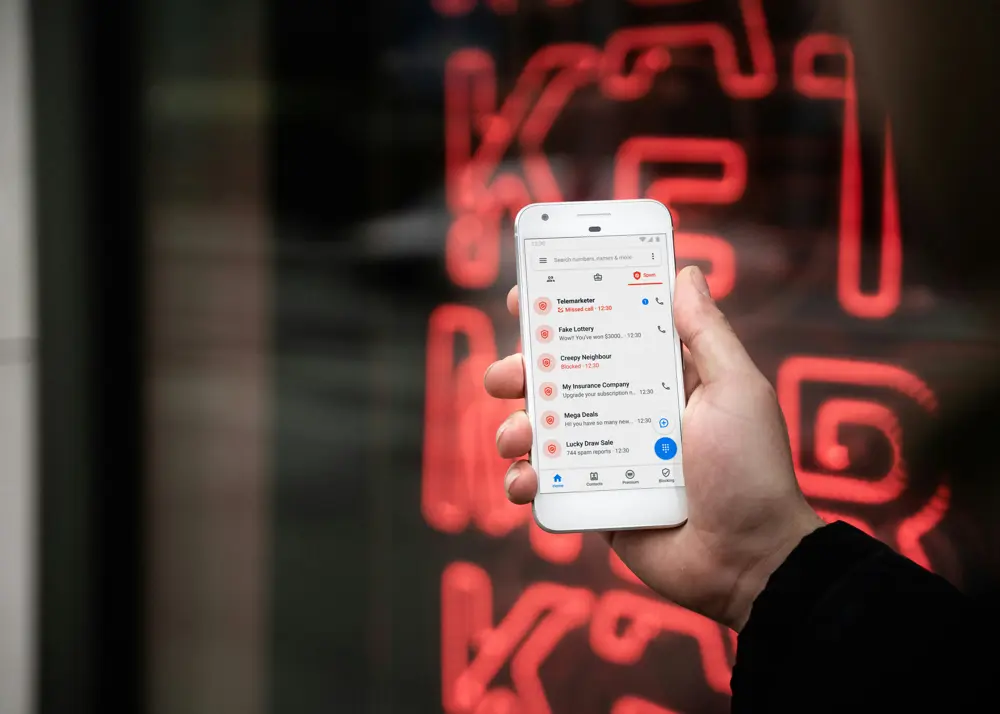
Like any area code, the 267 phone prefix is used by both legitimate callers and scammers. Robocallers often spoof local area codes to increase answer rates, a tactic called neighbor spoofing. If you receive an unexpected call from a 267 number, especially one you don’t recognize, be cautious.
Legitimate Philadelphia businesses, hospitals, schools, and government offices all use 267 numbers. The area code itself isn’t a red flag. But unsolicited calls asking for personal information or payment should always be treated skeptically regardless of the area code displayed.
Can I Get a 267 Number If I Don’t Live There?
Yes, through VoIP and virtual phone services. Many providers let you choose a 267 phone prefix number from anywhere. However, traditional carriers typically assign numbers based on your billing address or the store location where you activate service. For a guaranteed 267 number without a Philadelphia address, a virtual phone service is the easiest route.
267 vs 215 vs 445: What’s the Difference?
Functionally, there’s no difference between the 267 phone prefix and the other two codes covering Philadelphia. They serve the same cities, the same counties, and follow the same dialing rules. A call between a 215 number and a 267 number is a local call, billed the same as calling within a single area code.
The only real difference is history and perception. Area code 215 dates to 1947 and carries a certain prestige as Philadelphia’s original code. The 267 phone prefix arrived in 1999 and is now well established. Area code 445 is the newcomer from 2018 and may be less immediately recognized.
When receiving a new number in Philadelphia today, you could get any of the three. The assignment depends on which blocks of numbers your carrier has available. None is better than the others for call quality or cost.
Interesting Facts About the Philadelphia Area Codes
Philadelphia’s experience with the 267 phone prefix overlay made it a model for other cities facing number exhaustion. The overlay approach pioneered here has since been used in dozens of metropolitan areas across North America.
The 215 area code was once much larger. In 1994, the western and northern portions were split off to create area code 610. That split is part of why the remaining 215 region eventually needed the 267 overlay. Without the 1994 split, number exhaustion would have come even sooner.

Philadelphia is also notable for having three overlay codes, which is relatively uncommon. Most overlay regions have just two. The addition of 445 reflects just how many phone numbers the Philadelphia area consumes, driven by its large population and dense business activity.
How to Look Up a 267 Number
If you need to identify an unknown caller with the 267 phone prefix, several reverse lookup options exist. Your phone carrier may offer built-in spam and caller ID services that identify business callers automatically. Third-party apps like Truecaller or Hiya can also flag known spam numbers.
For a specific unknown 267 number, a web search of the full ten-digit number sometimes reveals whether it’s associated with a business or reported as spam. Community reporting sites collect complaints about robocall numbers, and Philadelphia-area scam numbers are frequently reported.
Keep in mind that caller ID can be spoofed. A call displaying a 267 phone prefix number isn’t necessarily coming from Philadelphia or from the number shown. Never trust caller ID alone for sensitive matters like banking or government communications.
The Future of the 267 Phone Prefix
With three area codes now serving Philadelphia, number supply is adequate for the foreseeable future. The addition of 445 in 2018 relieved the pressure that had been building on the 267 phone prefix and 215. Regulators monitor number utilization and will add another overlay if needed, though that’s likely years away.
Longer term, the entire concept of geographic area codes is evolving. With mobile number portability and VoIP, the link between a 267 phone prefix number and physical location in Philadelphia grows weaker each year. But for now, the 267 area code remains a clear identifier of southeastern Pennsylvania.
Whether you’re calling into Philadelphia, moving to the area, or just curious about an unknown number, the 267 phone prefix is simply Philadelphia’s second area code, sharing the region with 215 and 445 under a system that has worked smoothly for over two decades.
Philadelphia Neighborhoods and the 267 Phone Prefix
The 267 phone prefix covers all of Philadelphia’s diverse neighborhoods, from the historic streets of Old City to the vibrant communities of South Philly. Center City, with its dense concentration of businesses, offices, and residences, uses 267 numbers extensively alongside 215. The same is true for University City, home to the University of Pennsylvania and Drexel University, where thousands of students and faculty carry 267 mobile numbers.
In the neighborhoods, the pattern continues. Fishtown’s trendy restaurants and bars, the Italian Market area of South Philadelphia, the tree-lined streets of Chestnut Hill in the northwest, and the bustling commercial corridors of North Philadelphia all fall within the 267 phone prefix territory. There’s no neighborhood-level distinction between 215, 267, and 445. They’re fully intermixed across the entire city.
This uniform coverage is actually convenient. You never need to wonder whether a Philadelphia neighborhood uses a different area code. Whether you’re calling a business in Rittenhouse Square or a friend in Manayunk, the dialing procedure is identical. Just include the area code and the call goes through.
How Businesses Choose Between 215, 267, and 445
When Philadelphia businesses get new phone numbers today, the carrier assigns from available inventory, which could be any of the three codes. However, many businesses have preferences. Established companies often request 215 for its prestige as the original code. Newer businesses may receive 267 numbers simply because that’s what the carrier has available in their number block.
Some businesses actually prefer the 267 phone prefix because it’s less associated with old landlines and feels more modern. A startup in Philadelphia’s growing tech scene might see 267 as contemporary, while a law firm founded in 1950 might insist on 215 for tradition. These are purely perception choices with no functional impact.
For marketing purposes, businesses sometimes acquire multiple numbers across different area codes. A company might advertise a 215 number for its main line and use 267 numbers for specific departments or tracking different advertising campaigns. This is common in competitive service industries where call tracking helps measure marketing effectiveness.
Emergency Services and the 267 Phone Prefix
It’s worth noting that emergency calling works the same regardless of area code. Dialing 911 from any phone with a 267 phone prefix connects you to the appropriate Philadelphia emergency dispatch center based on your location, not your area code. Mobile phones use GPS and cell tower data to route emergency calls correctly.
If you’re visiting Philadelphia and need non-emergency police or fire services, you’ll dial a ten-digit number with the 267, 215, or 445 area code depending on the specific department. Save these numbers in your phone with the full area code before you need them. Philadelphia’s non-emergency line and various city service numbers are published with their full ten-digit formats.
Quick Reference for the 267 Phone Prefix
To summarize the essentials: the 267 phone prefix serves Philadelphia and southeastern Pennsylvania, sharing its territory with area codes 215 and 445 as overlays. Introduced in 1999, it was the region’s first overlay code. Always dial ten digits for local calls within the area. The region is in the Eastern Time Zone. The 267 phone prefix is a standard geographic code, not toll-free. For businesses targeting Philadelphia, a 267 number provides credible local presence. Whether you’re identifying a caller or setting up a new number, these fundamentals cover what you need to know about the 267 phone prefix.
Recommended Reading
Getting started is often the hardest part, but breaking the task into smaller steps makes it manageable. Focus on completing one small piece at a time instead of trying to do everything at once. Each small win builds momentum and confidence for the next step.
It also helps to set a realistic timeline for yourself. Most people underestimate how long things take, so add some buffer to your estimates. Track your progress as you go, and adjust your plan if needed. Flexibility is key to reaching your goal without burning out.
Finally, do not be afraid to ask for help when you need it. Whether it is from friends, online communities, or professionals, getting a fresh perspective can save you time and frustration. Everyone was a beginner once, and most people are happy to share what they have learned.