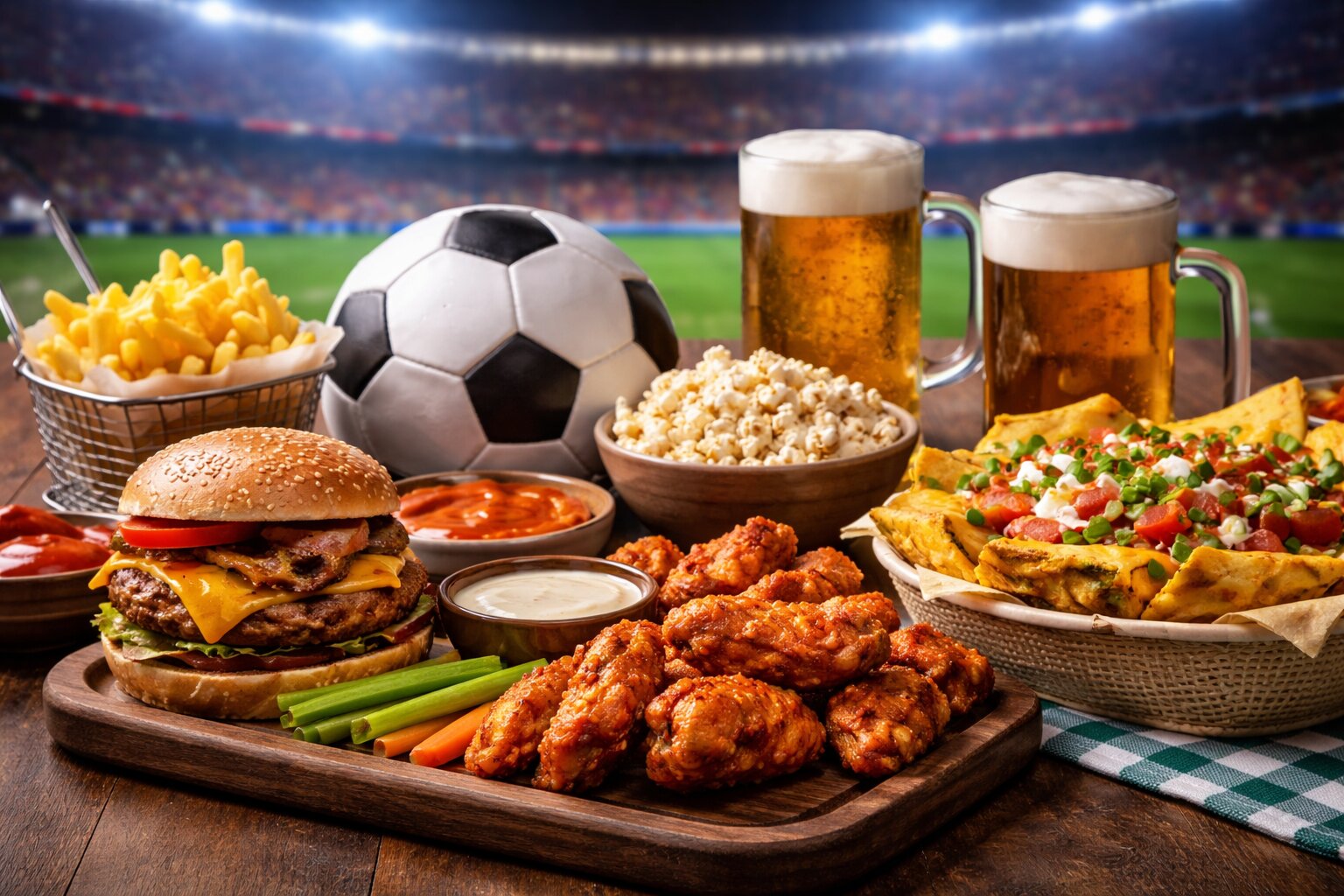
Every football supporter knows the feeling. You’re halfway up the concourse stairs, scarf on, programme in hand, and the smell hits you — onions, fried batter, hot gravy. Before you’ve even seen the pitch, you’re already thinking about food. A Football Club Menu is the beating heart of the matchday experience, every bit as much a part of the ritual as the team news or the first chant. It feeds ninety thousand people in the space of an hour, and somehow, most of the time, it works.
But what is actually on offer these days? The days of a sad cold pie and a cup of Bovril as your only option are long gone at most grounds. Modern clubs take catering seriously. Menus are designed, priced, branded, and — at the bigger clubs — obsessed over by executive chefs who used to work in actual restaurants. This guide walks you through everything a fan needs to know: the classic items, the regional icons, the prices, the premium suites, the vegetarian and halal options, and how to eat well without missing kickoff or emptying your wallet.
Whether you’re a first-time visitor planning a trip to a famous stadium or a season-ticket holder who has eaten the same chicken balti pie for six years, there’s something here for you. Let’s talk about the best part of the ninety minutes that isn’t the football.
The Typical Football Club Menu: What’s Actually on Offer
Walk up to almost any concourse kiosk in England and you’ll find the same backbone items. The pie is king — steak, chicken, or the famous balti — served in a foil tray that burns your fingers if you hold it wrong. Next to it sit the sausage rolls, the hot dogs, and the burgers, all wrapped in paper and eaten at impressive speed. Chips show up in two forms: the skinny fried kind in a tray, or the chunkier option drowned in gravy or curry sauce if you’re up north.
Drinks are just as traditional. Tea, coffee, hot chocolate, and Bovril (or its vegetarian equivalent) warm the hands of away fans in February. Soft drinks come in plastic cups or bottles, and at many grounds you’ll find a designated bar area serving lager, bitter, and cider. The alcohol rules are strict — in England you can’t take a drink to your seat in sight of the pitch — but the concourse bars do a roaring trade at half-time all the same.
Sweet options have quietly improved. Beyond the old chocolate bars, many kiosks now sell doughnuts, cookies, and tubs of ice cream in summer. Some clubs have gone further, bringing in local bakeries to supply fresh pastries or partnering with regional brands so the menu feels like it belongs to that city rather than a generic catering company. It’s a small touch, but fans notice.
Football Club Menu: How the Menu Is Organised on Matchday
Most clubs split their Football Club Menu into zones. The general concourse kiosks handle volume: pies, burgers, hot dogs, chips, drinks. Then there are the premium stands and hospitality suites with their own restaurants. Some grounds add fan zones outside the turnstiles with street-food trucks — brilliant for getting fed before you go through security, and often cheaper than inside.
Club shops sometimes sell their own branded snacks too. Branded chocolate, crisps, and even club-themed beer turn up as gifts more than matchday fuel, but they show how seriously clubs take food as part of the brand. At the biggest clubs, the catering operation is a serious business unit with its own marketing.
Football Club Menu: Iconic Stadium Foods Around the World
Every football culture has its signature dish, and learning them is one of the great joys of travelling to away games abroad. The Football Club Menu changes completely once you cross a border, and that’s exactly how it should be.
Football Club Menu: England: The Pie Tradition
Nothing says English football like a pie eaten standing up in the rain. The balti pie became a legend at certain grounds, and clubs now compete over who makes the best one. Steak and ale, chicken and mushroom, and the newer vegan options all have their loyalists. Ask any group of supporters which ground does the best pie and you’ll start an argument that lasts longer than the match.
Bovril deserves its own mention. That salty beef-tea drink has warmed generations of terraces. Whether you love it or find it revolting, it’s part of the furniture — like the smell of Deep Heat in the dressing room corridor.
Football Club Menu: Germany: Bratwurst and Beer Done Right
German stadiums set the standard for matchday eating in Europe. The bratwurst — grilled, snappy, served in a bread roll with mustard — is cheap, fast, and genuinely good. Prices are noticeably lower than in England, and the beer flows freely with fans allowed to drink at their seats. The whole setup feels grown-up and relaxed, and it’s no coincidence German grounds consistently top fan-experience surveys.
Pretzels, currywurst, and schnitzel sandwiches round out the offering. The portions are generous, the queues move quickly, and there’s an honesty to it all — proper food at fair prices, served by people who seem to enjoy their jobs.
Football Club Menu: Spain and Italy: Tapas, Bocadillos, and Panini
Spanish grounds lean on the bocadillo — a proper filled baguette with tortilla, jamón, or chorizo. It’s simple, filling, and perfect football food. You’ll also find pipas (sunflower seeds) everywhere; cracking them open and flicking the shells is practically a spectator sport in itself.
In Italy, the panino reigns. Porchetta rolls, salami, and mortadella fill the kiosks, and the coffee is — of course — taken seriously. Nobody in an Italian stadium is drinking weak instant coffee from a polystyrene cup. The espresso might be tiny, but it’s real.
Football Club Menu: North America: The MLS and NFL Crossover
Soccer-specific stadiums in the United States borrow heavily from the American sports-food playbook: nachos, hot dogs the size of your forearm, loaded fries, and craft beer from local breweries. Portions are enormous and the variety is wild — you’ll find Korean tacos next to classic cheeseburgers at some grounds. Prices can be steep, but the choice is unmatched.
Football Club Menu Pricing: What Fans Really Pay
Let’s talk money, because this is where fans get passionate. In England’s top flight, expect to pay around £4–£6 for a pie, £5–£7 for a burger, and £3–£4 for a hot drink. A pint of lager inside the ground usually lands between £5 and £7. Championship and League One grounds tend to be a pound or two cheaper across the board, though the gap has narrowed in recent years.
Germany remains the bargain of European football. A bratwurst and a beer at a Bundesliga ground can cost less than a pie alone in the Premier League. That price difference is deliberate — German clubs, with their fan-ownership models, treat affordable catering as part of the social contract with supporters. English fans look on with envy every time the comparison comes up.
Spain and Italy sit somewhere in the middle. A bocadillo or panino typically costs a few euros, coffee is cheap, and beer prices are reasonable. American stadiums are the priciest per item, but the portions are so large that the value argument gets complicated — nobody finishes a loaded nacho helmet alone.
Why Prices Keep Rising
Clubs blame the same things every other food business blames: ingredient costs, wages, energy bills, and the sheer logistics of serving tens of thousands of people in a two-hour window. There’s truth in that. Running a stadium kitchen is one of the hardest catering jobs in the world — everything has to be ready at once, served in minutes, and cleared before the second half.
Still, fans have a point when they grumble. When a pie costs the same as a decent lunch in town, the club needs to make sure the quality justifies it. The clubs getting this right are the ones investing in better suppliers and proper training, not just nudging prices up every August.
Getting Value for Money
- Eat before you go in. Fan zones and street-food trucks outside the turnstiles are often cheaper and better than the concourse.
- Look for meal deals. Many clubs bundle a pie, chips, and a drink for less than the items cost separately.
- Check the club app. Some clubs run matchday offers or loyalty discounts on food and drink.
- Bring a refillable water bottle if the ground allows it — bottled water inside is one of the worst-value purchases in football.
- Share the big stuff. Loaded fries and sharing nachos are designed for two and priced accordingly.
Premium Hospitality: Eating Like a Director
At the other end of the scale from the concourse pie sits the hospitality suite, and the gap between the two has never been wider. Modern stadiums — especially the new builds — contain restaurants that would hold their own on any high street. We’re talking multi-course menus, wine pairings, carvery stations, sushi counters, and chefs with serious credentials.
The classic hospitality package runs something like this: champagne reception, a three- or four-course meal with half-time refreshments, padded seats in a premium stand, and a programme thrown in. Prices range from around £100 per person at smaller clubs to several hundred — or even thousands for the marquee fixtures — at the giants. For cup finals and derbies, the numbers get silly.
Is it worth it? For a special occasion, honestly, yes. The food is genuinely good at the best venues, the seats are excellent, and there’s something fun about being looked after for a day. For a regular league game, most fans would rather spend the money on ten ordinary matchdays. Hospitality is a treat, not a lifestyle, and that’s fine.
What’s on a Hospitality Menu
Expect a proper restaurant menu rather than a kiosk list. Starters might include soup, pâté, or a smoked fish plate. Mains run from roast dinners to fish dishes to curries, and there’s always a vegetarian option these days. Desserts are proper puddings, not chocolate bars. Half-time brings tea, coffee, and often something sweet like mini cakes or cheese and biscuits at full time.
The wine list is where the markup lives, so budget accordingly — or stick to the included drinks package if one is offered. Some clubs now offer street-food-style hospitality too: premium burgers, bao buns, and craft beer in a lounge setting. It’s a smart middle ground between the concourse and the white-tablecloth room.
Dietary Needs: Navigating the Football Club Menu With Restrictions
It used to be genuinely hard to eat at a football ground if you were vegetarian, let alone vegan, halal, or gluten-free. That’s changed fast. Most Premier League clubs now list vegan pies, veggie burgers, and plant-based hot dogs as standard, and the quality has improved beyond recognition from the sad bean burger of a decade ago.
Halal options are increasingly common, especially at clubs in diverse cities. Some grounds have dedicated halal counters; others certify their chicken across the whole menu. If halal matters to you, check the club’s website before the game — most now publish their catering information clearly, which saves an awkward conversation at a busy kiosk.
Gluten-free supporters have the trickiest time, but it’s improving. Chips (cooked in a dedicated fryer) are usually safe, and some clubs stock gluten-free pies or clearly label allergens at every kiosk. The key word is “check”: allergen labelling at stadiums has got much better, but policies vary, so the club website or a quick message to the supporter services team beats guessing on the day.
Tips for Special Diets on Matchday
- Check the club’s food and drink page online before you travel — most clubs now publish full menus with allergen and dietary labels.
- Arrive early. Specialist items (vegan pies, gluten-free options) sell out faster because kiosks stock fewer of them.
- Ask the staff. Kiosk teams are trained on allergens and can usually tell you what’s safe — don’t be shy about it.
- Know the fan zone options. External food trucks often have better vegan and vegetarian choices than the concourse.
- Contact supporter services in advance for serious allergies — clubs can often arrange something specific with notice.
How Club Menus Change From League to League
The Football Club Menu at a Champions League night is a different animal from a rainy Tuesday in League Two, and the differences go beyond price. Top-flight clubs have the scale to run serious catering operations: multiple suppliers, branded concepts, and menus designed by professionals. The food is more varied, the presentation is better, and there are simply more kiosks.
Drop down the divisions and things get more traditional — which many fans prefer. The lower-league menu is pies, peas, gravy, and tea, served with pride and zero pretension. There’s an honesty to a £3.50 meat-and-potato pie at a fourth-tier ground that no hospitality suite can match. Some of the best football food in the country is found in the smallest grounds.
Non-league is its own world entirely. Clubhouse bars, volunteer-run tea huts, home-made cakes, and burgers cooked by someone’s dad on a barbecue behind the stand. It shouldn’t work as well as it does. If you ever get the chance to do a non-league ground for the food alone, take it — you’ll eat better than at most Premier League grounds for half the price.
Women’s Football and New Grounds
The growth of the women’s game has brought fresh thinking to stadium catering. Newer venues and clubs building their matchday operations from scratch tend to offer more varied, modern menus from day one — better coffee, more plant-based options, local suppliers. It’s a reminder that tradition is lovely, but nobody ever complained about a good flat white at half-time.
Matchday Dining Tips From a Lifelong Away-Day Traveller
After years of eating at grounds up and down the country — and a fair few abroad — a few rules have stuck. First: eat early or eat at half-time, never in the fifteen minutes before kickoff. That’s when every queue in the building is at its worst, and you’ll miss the teams coming out. Either get there when the turnstiles open or accept the half-time scrum.
Second: learn the ground. Every stadium has a kiosk that’s better than the others — the one with the shorter queue, the fresher pies, the staff who’ve been there for years. Away fans usually get herded to the nearest one; walk thirty seconds further and you’ll often find a better option with no queue at all.
Third: bring cash as backup. Most grounds are card-only now, but card machines fail under the half-time rush with depressing regularity. A tenner in your pocket has saved many a half-time. And fourth: if the food looks like it’s been sitting under a heat lamp since Tuesday, trust your eyes and get the sealed chocolate bar instead.
The Perfect Matchday Food Timeline
- Two hours before: proper meal in town or at the fan zone — the best food of the day happens here.
- Turnstiles open: grab a programme, find your stand, scout the kiosks while queues are short.
- Thirty minutes before kickoff: first purchase — pie and a hot drink is the classic.
- Half-time: move fast or accept the queue; this is the busiest fifteen minutes in catering.
- Full time: beat the rush or linger — many kiosks stay open and queues vanish within ten minutes.
Where Stadium Food Goes Next
The direction of travel is clear: more choice, better quality, more local identity. Clubs have realised that food is part of the product, not just a sideline. The best new stadiums are designed around food halls and fan zones, not just rows of identical kiosks. Local restaurants get residencies, regional dishes get featured, and the generic catering-company menu is slowly dying.
Technology is changing the mechanics too. Order-ahead apps that let you collect at half-time without queuing are spreading, and some grounds are testing delivery to seats in premium areas. Cashless was the first wave; the second wave is about skipping the queue entirely. Anything that gets fans back to their seats faster is a win for everyone.
Sustainability is the other big shift. Clubs are cutting single-use plastic, sourcing locally, and — quietly but steadily — making plant-based options so good that meat-eaters choose them by preference rather than principle. The stadium of the future feeds everyone well, wastes less, and still gets the pie right.
When you’re getting started with Football Club Menu, the biggest mistake is trying to do everything at once. The people who get the best results from Football Club Menu start small, focus on one specific goal, and build from there. Think of Football Club Menu as a skill you develop over time, not a switch you flip. Each week you spend working with Football Club Menu, you’ll notice patterns in what works and what doesn’t.
Not every approach to Football Club Menu is right for every person. Your budget, your experience level, and your end goal all shape which Football Club Menu strategy makes sense for you. Someone exploring Football Club Menu for the first time needs different guidance than someone who’s been using Football Club Menu for months. The advice below assumes you’re past the absolute basics but still figuring out the details.
When you’re getting started with Football Club Menu, the biggest mistake is trying to do everything at once. The people who get the best results from Football Club Menu start small, focus on one specific goal, and build from there. Think of Football Club Menu as a skill you develop over time, not a switch you flip. Each week you spend working with Football Club Menu, you’ll notice patterns in what works and what doesn’t.
Not every approach to Football Club Menu is right for every person. Your budget, your experience level, and your end goal all shape which Football Club Menu strategy makes sense for you. Someone exploring Football Club Menu for the first time needs different guidance than someone who’s been using Football Club Menu for months. The advice below assumes you’re past the absolute basics but still figuring out the details.
Final Whistle: Eating Well at the Football
A great Football Club Menu does something simple: it makes the day better. The food won’t decide the result, but it shapes the memory — the pie you ate when the late winner went in, the terrible coffee on the frozen Tuesday night, the bratwurst in Dortmund that ruined all other stadium food for you forever. That’s the real job of matchday catering.
So next time you’re heading to a game, give the menu a bit of thought. Check what’s on offer, arrive hungry, try the local speciality, and don’t be afraid to walk past the first kiosk. The best seat in the house means nothing on an empty stomach — and the best food at the football is always the food eaten with your people, standing up, slightly too fast, while the teams warm up in front of you.