
Picking between ChatGPT Go vs Plus in 2026 is harder than it looks. OpenAI now sells more tiers than ever, the price gap between them keeps shifting by region, and the feature lists overlap in confusing ways. If you just want a straight answer, here it is: most casual users will be happy with Go, and most people doing real work should still pay for Plus. But the details matter, because the wrong choice either wastes money every month or leaves you hitting limits right when you need the tool most.
I have used both plans extensively, tracked the limit changes OpenAI rolled out through 2025 and into 2026, and talked to dozens of subscribers about what they actually use. This guide breaks down the real differences in price, model access, limits, and day-to-day experience, so you can decide with actual numbers instead of marketing copy.
ChatGPT Go vs Plus: What ChatGPT Go Actually Is
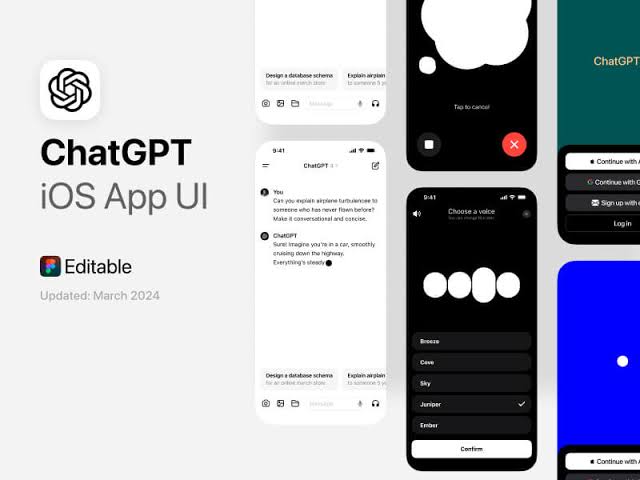
ChatGPT Go is OpenAI’s budget tier, launched as a cheaper entry point for users who want more than the free plan without paying full price. In most markets it costs roughly half of Plus, though the exact number varies because OpenAI prices Go aggressively in developing markets. In India, for example, Go launched at a price point that made it an impulse purchase rather than a considered subscription.
The pitch is simple: you get meaningfully higher limits than free, access to recent models, and a smoother experience, all for a smaller monthly bill. OpenAI positioned it for students, casual users, and anyone who chats with AI daily but never touches the advanced features.
What Go does not promise is priority. When servers get busy, Plus users get served first. Go users sit in the same general queue as everyone else, just with a bigger allowance. During peak hours in 2025, Go subscribers reported occasional slowdowns and brief “high demand” notices, while Plus users sailed through. That gap has narrowed in 2026 as OpenAI added capacity, but it has not disappeared.
Go also skips some of the power-user tooling. You get image generation, but with tighter caps. You get voice mode, but not the top-tier version. File uploads work, though the context you can throw at a document in one session is smaller than what Plus allows. For everyday questions, drafting help, and homework, none of this matters. For research projects with fifty-page PDFs, it does.
ChatGPT Go vs Plus: What ChatGPT Plus Gives You
ChatGPT Plus remains the flagship individual plan. It costs more, and in exchange you get the highest standard limits, first access to new features, and priority serving during busy periods. When OpenAI ships something new, Plus subscribers typically get it weeks or months before it trickles down to Go.
The practical difference shows up in volume. Plus allows far more messages per day on the flagship models, more image generations, longer voice sessions, and bigger file handling. If you use ChatGPT as a work tool, writing assistant, coding partner, or research aid for several hours a day, these limits are the difference between a smooth workflow and constant frustration.
Plus also includes the newest experimental features first. Things like advanced agents, deeper research modes, and integrations with third-party apps tend to debut on Plus. By the time they reach Go, Plus has usually moved on to the next thing. Whether that matters depends on how much you care about being on the cutting edge versus just getting answers.
ChatGPT Go vs Plus: Price Breakdown
Price is the most obvious difference, so let us put real numbers on it. In the United States, Plus has held steady at its long-standing monthly price, while Go comes in at roughly half. Neither plan locks you into a contract, and both can be cancelled monthly, so the commitment is low either way.
ChatGPT Go vs Plus: Monthly Cost Compared
On a straight monthly comparison, Go saves you roughly half the cost of Plus every single month. Over a year, that adds up to a meaningful amount of money, enough to cover several other subscriptions. If your usage is light, paying double for limits you never hit makes no sense.
But regional pricing complicates the picture. OpenAI discounts Go heavily in some countries while keeping Plus closer to the US price. In those markets the gap is even wider, and Go becomes a no-brainer for price-sensitive users. Always check the price in your own currency before deciding, because the ratio is not the same everywhere.
ChatGPT Go vs Plus: The Annual Math
Neither Go nor Plus currently offers a true annual discount the way some software does, so the yearly cost is just twelve times the monthly price. That makes the comparison clean: take the monthly difference, multiply by twelve, and ask yourself whether the extra features are worth that amount to you personally.
For a student, the yearly savings from Go might cover textbooks or a big chunk of rent. For a freelancer billing clients, the extra cost of Plus might be recovered in a single afternoon of faster work. The right answer is personal, which is why blanket recommendations usually miss the mark.
ChatGPT Go vs Plus: Feature-by-Feature Comparison
This is where the decision actually gets made. The marketing pages list features in tiny print, so here is the plain-language version of what changes between the two plans.
Model Access
Both plans give you access to OpenAI’s current flagship models, which is the single most important thing for most users. The free tier often lags on model access or throttles you to older versions during busy times. Go and Plus both keep you on the modern models consistently.
The difference is in the newest releases. When OpenAI drops a brand-new model, Plus users typically get day-one access with generous limits, while Go users may wait or get smaller initial allowances. In 2026 this has mattered less than in previous years because model releases have slowed, but it still comes up a few times a year.
Message Limits
Plus allows substantially more messages per day than Go, especially on the most capable models. OpenAI does not publish exact hard numbers, and the caps shift quietly, but in practice Plus users report rarely hitting walls while Go users doing heavy sessions occasionally do.
Think about your heaviest day of usage, not your average day. If you have ever had a marathon session debugging code, planning a trip, or writing a long document with AI help, that peak day is what determines which plan fits. Go handles normal days fine. Plus handles the intense ones without complaint.
Image Generation
Both plans include image generation, but Plus gives you more images per day. For someone generating a few images a week for presentations or fun, Go’s allowance is plenty. For a content creator producing daily visuals, Plus is the safer choice.
Quality is identical between the plans. The same model renders the same image whether you pay for Go or Plus. You are paying for quantity, not quality, which makes this an easy calculation based on how many images you actually make.
Voice Mode
Voice conversations work on both tiers, and the standard voice experience is the same. Plus pulls ahead on the advanced voice features, longer session lengths, and newer voice personalities that roll out first to paying subscribers at the higher tier.
If you mainly type, this barely registers. If you do long voice brainstorming sessions or use voice mode while driving or cooking, the Plus advantages become noticeable over time.
File Uploads and Long Documents
Uploading PDFs, spreadsheets, and documents works on both plans, but Plus handles larger files and longer contexts. Analyzing a 200-page report in one go is a Plus-friendly task. Summarizing a ten-page article works fine on Go.
This is one of the clearest dividing lines. Knowledge workers who live in documents should lean Plus. Everyone else can save the money.
Who Should Pick ChatGPT Go
Go is the right call if your AI usage looks like this: daily questions, help with writing emails or messages, homework support, brainstorming, travel planning, recipe ideas, and the occasional image. You use it often but never for hours at a stretch, and you have never once thought “I wish I could send more messages right now.”
Students are the natural audience. The price is low enough to fit a student budget, the limits cover coursework easily, and the model quality matches Plus for the kinds of tasks students actually do. Parents buying for a teenager should also look at Go first.
Casual professionals fit too. If you use ChatGPT a few times a day to draft, summarize, or look things up, but your real work happens in other tools, Go gives you everything you need. There is no reason to pay double for headroom you will never touch.
Go also makes sense as a trial step. If you are currently on the free plan and frustrated by limits, moving to Go first lets you feel the difference for half the price. You can always upgrade to Plus later if you outgrow it. Downgrading works the same way, so there is no trap.
Who Should Pick ChatGPT Plus
Plus earns its price for people who use AI as a work instrument. Developers who pair-program with ChatGPT for hours, writers drafting long pieces with AI feedback, researchers chewing through papers and datasets, marketers producing content at volume. If AI touches your income, the productivity difference usually pays for the upgrade many times over.
Heavy image creators should also go Plus. The higher daily image allowance removes the mental tax of rationing generations. When you are iterating on a design or producing a content series, running out of images mid-flow kills momentum.
Early adopters belong on Plus as well. If you enjoy trying new features the week they launch, testing the newest models, and generally living on the frontier, Plus is the only tier that guarantees that experience. Go gets new things eventually, but “eventually” is not the same as “today.”
Teams and businesses, even tiny ones, should skip Go. The per-seat math favors getting the higher limits from the start, and the priority serving matters when deadlines are involved. Nobody wants to explain to a client that the AI was rate-limited during crunch time.
The Honest Verdict on ChatGPT Go vs Plus
Here is the bottom line after months with both plans. ChatGPT Go vs Plus is not really a contest between good and bad. Both are solid products. The question is purely about fit.
Choose Go if you want a better-than-free experience at a fair price and your usage is moderate. You will get modern models, decent limits, and all the core features, and you will save a real amount of money over the year. For most people reading this, Go is probably enough, and admitting that is fine.
Choose Plus if AI is part of how you earn a living, if you regularly push against limits, or if you want every new feature the moment it ships. The extra cost is small relative to the time it saves when you are working at full tilt.
One more practical note: you can switch. Start with Go, and if you hit the ceiling twice in one month, upgrade. Start with Plus, and if after two months you realize you never come close to the limits, downgrade and pocket the difference. OpenAI makes switching painless, so the decision is never permanent. The worst outcome is not picking the “wrong” plan, it is staying on the free tier getting throttled while a few dollars a month would fix everything.
Frequently Asked Questions
Can I switch from ChatGPT Go to Plus later?
Yes. Upgrades and downgrades take effect quickly, and OpenAI prorates the billing. There is no penalty for switching, so starting with the cheaper plan carries no risk.
Is ChatGPT Go available in my country?
Go has rolled out to most major markets, but availability and pricing vary by region. Check OpenAI’s pricing page with your location set correctly. Some countries got Go much earlier than others.
Does Go include the same AI model as Plus?
For the standard current models, yes. Both tiers use the same flagship models for everyday tasks. Plus gets earlier and larger access to brand-new model releases, but the day-to-day answering quality is the same.
Which plan is better for students?
Go, in most cases. It covers coursework, writing help, and study support at a student-friendly price. Only students doing unusually heavy AI-assisted research need Plus.
Is the free plan enough instead?
The free plan works for occasional use, but the limits are tight and you get deprioritized during busy times. If you use ChatGPT more than a few times a week, either paid tier is a noticeable upgrade. Between the two paid options, match the plan to your usage as described above.
Getting the Most Value From Either Plan
Whichever side of the ChatGPT Go vs Plus debate you land on, a few habits make the subscription worth more. First, learn to write good prompts. The difference between a vague one-line question and a well-specified request is enormous, and it matters more than which tier you pay for. A Go user with strong prompting skills will get better results than a Plus user typing lazy questions.
Second, use projects and custom instructions. Both plans support them, and they save a surprising amount of time. Setting up your context once, your tone preferences, your recurring tasks, means every future conversation starts halfway done. Most subscribers never touch these features, which is a shame because they are free leverage.
Third, audit your usage after the first month. Check whether you actually hit any limits. If you chose Go and never saw a warning, you chose correctly. If you chose Plus and your usage graphs show you barely scratched the surface, consider whether the savings matter to you. Most people set a subscription and forget it, but a two-minute review once in a while keeps you on the right tier.
When you’re getting started with ChatGPT Go vs Plus, the biggest mistake is trying to do everything at once. The people who get the best results from ChatGPT Go vs Plus start small, focus on one specific goal, and build from there. Think of ChatGPT Go vs Plus as a skill you develop over time, not a switch you flip. Each week you spend working with ChatGPT Go vs Plus, you’ll notice patterns in what works and what doesn’t.
Not every approach to ChatGPT Go vs Plus is right for every person. Your budget, your experience level, and your end goal all shape which ChatGPT Go vs Plus strategy makes sense for you. Someone exploring ChatGPT Go vs Plus for the first time needs different guidance than someone who’s been using ChatGPT Go vs Plus for months. The advice below assumes you’re past the absolute basics but still figuring out the details.
ChatGPT Go vs Plus vs the Competition
It is worth noting that the ChatGPT Go vs Plus choice does not happen in a vacuum. Google, Anthropic, and others all sell competing subscriptions at similar price points. Some users split their spending, keeping a cheap ChatGPT tier for everyday use and paying for a rival’s premium tier for specific strengths like long-document analysis or coding.
That said, switching costs are real. Your conversation history, custom setups, and workflow habits live inside one ecosystem. For most people, picking the right ChatGPT tier and learning it deeply beats spreading money across three half-used subscriptions. Decide based on where you already do your work.
The broader lesson from comparing ChatGPT Go vs Plus is that AI pricing has matured. The early days of one-size-fits-all subscriptions are over. Now you can match what you pay to what you actually use, which is better for everyone. Take the ten minutes to think about your real usage patterns, pick the tier that fits, and get back to work. Either way, you are getting an enormously capable assistant for less than the cost of a weekly coffee habit.